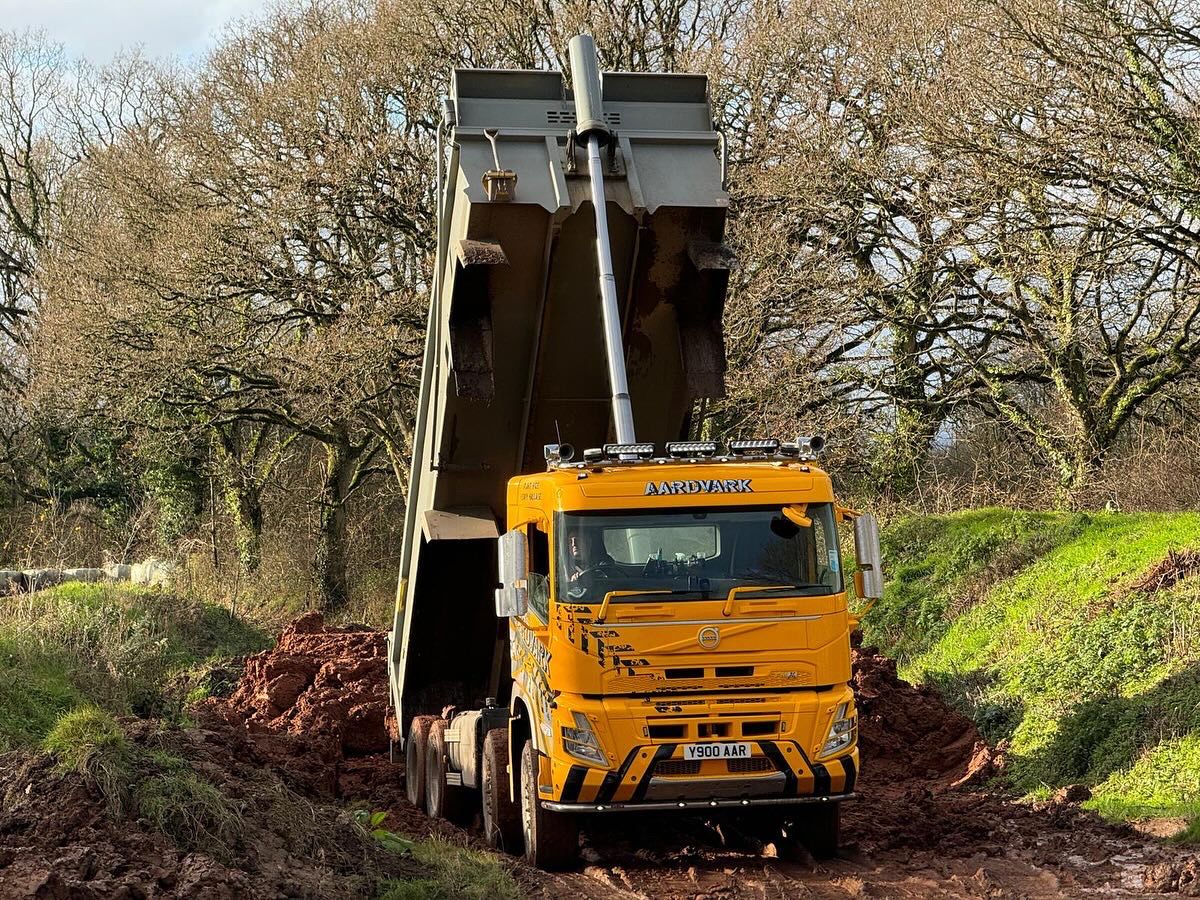
Sustainable Soil Management for Devonshire Homes in Bovey Tracey
Client: Devonshire Homes
Project Location: Bovey Tracey, United Kingdom
Project Scope: Development of Approximately 400 New Homes
Key Focus: Environmental Responsibility through Recycling and Reuse
Overview
Devonshire Homes, a respected local house builder, is developing a significant housing project in Bovey Tracey, adding around 400 new homes to the area. This project required substantial site preparation, which produced approximately 30,000 tons of waste soils from excavation. Devonshire Homes took a proactive and environmentally responsible approach to soil management, aiming to recycle and reuse all excavated materials locally rather than sending them to landfill.
Challenge
The project’s scale led to a large volume of soil waste, which presented Devonshire Homes with two main challenges:
- Environmental Impact: Sending 30,000 tons of soil to a landfill would result in significant emissions from transport and waste disposal, counteracting their commitment to sustainability.
- Cost Efficiency: Landfill disposal incurs high fees and logistical costs, so Devonshire Homes sought a more cost-effective, eco-friendly alternative.
Solution and Approach
Devonshire Homes implemented a Recycle and Reuse strategy to sustainably manage excavated soil:
- Identifying Local Sites for Reuse: Devonshire Homes formed partnerships with local organizations and project sites that could utilize the waste soil effectively, keeping transportation minimal and supporting the community’s needs.
- Supporting Community Projects: The project team coordinated with local stakeholders to repurpose soil for community recreational spaces, like BMX tracks and other amenities. This sustainable reuse approach benefits both the community and the environment by repurposing materials for public enjoyment and local infrastructure.
Process
- Assessment and Planning: Before excavation, Devonshire Homes conducted an analysis to determine the most efficient reuse options for the soil.
- Transportation Coordination: The company arranged for local, low-emission transportation to move the soil to nearby reuse sites, further minimizing the environmental impact.
- Community Engagement: By collaborating with local organizations and municipal partners, Devonshire Homes ensured that the soil was used to support valuable community projects, reinforcing their commitment to sustainable development.
Results
- Environmental Impact Reduction: By avoiding landfill, Devonshire Homes prevented approximately 30,000 tons of soil waste and significantly reduced carbon emissions associated with long-distance transportation.
- Cost Savings: The reuse approach lowered disposal costs, allowing these savings to be reinvested into other sustainability initiatives.
- Community Benefit: Reused soil is now supporting local community projects like BMX tracks, enhancing recreational spaces for residents and supporting Devonshire Homes’ vision of building community-friendly developments.
Client Testimonial
“This project is a great example of how sustainable practices can benefit both our business and the local community. By reusing materials, we’ve minimized waste, reduced costs, and contributed to local infrastructure,” shared a spokesperson for Devonshire Homes.
Conclusion
Devonshire Homes’ sustainable approach in Bovey Tracey demonstrates how large-scale construction projects can successfully balance development with environmental stewardship. By integrating recycling and reuse practices into their project, Devonshire Homes set a benchmark for environmentally responsible construction that benefits the community both now and in the future.
This case study is structured to emphasise Devonshire Homes’ commitment to sustainability and community, showcasing how eco-conscious practices can be integral to successful development projects.